The Delhi Cabinet, led by Chief Minister Rekha Gupta, has approved the Delhi Start-up Policy 2026, formally known as the Delhi Start-up and Incubation Policy, aimed at boosting innovation, research, and entrepreneurship across the national capital. The policy was cleared on 16 July 2026.
Delhi Start-up Policy 2026: Funding and Scope
Under the Delhi Start-up Policy 2026, more than ₹400 crore will be invested over the next five years. CM Rekha Gupta said the policy is designed to develop Delhi into one of the country’s leading hubs for innovation and entrepreneurship, ensuring young people get the support they need to turn their ideas into successful start-ups.

In its initial phase, the Delhi Start-up Policy 2026 will be implemented across 11 state universities, 13 government-aided colleges, polytechnic institutions, Industrial Training Institutes (ITIs), and government schools. The government will provide one-time financial assistance to eligible institutions to set up and strengthen incubation centres, along with annual operational support for mentoring, networking, and innovation activities.
How Start-ups Will Benefit
Start-ups associated with these incubation centres will receive milestone-based financial assistance at different stages of their growth under the Delhi Start-up Policy 2026. As part of the initiative, the government will also organise an Annual Delhi Start-up Youth Festival, bringing together young innovators, educational institutions, start-ups, investors, industry representatives, and policymakers on a common platform.
CM Gupta said the initiative isn’t just about helping people launch start-ups — it’s about transforming Delhi’s youth from job seekers into job creators, with a focus on ensuring students, researchers, teachers, alumni, and aspiring entrepreneurs never face a shortage of resources or mentorship.
Existing Momentum Behind the Delhi Start-up Ecosystem
Even ahead of the Delhi Start-up Policy 2026, Delhi’s student-led start-up ecosystem has shown strong traction. Student-led start-ups have together generated an estimated revenue of ₹500–600 crore, according to government figures, with each incubated start-up creating around four to five employment opportunities on average.
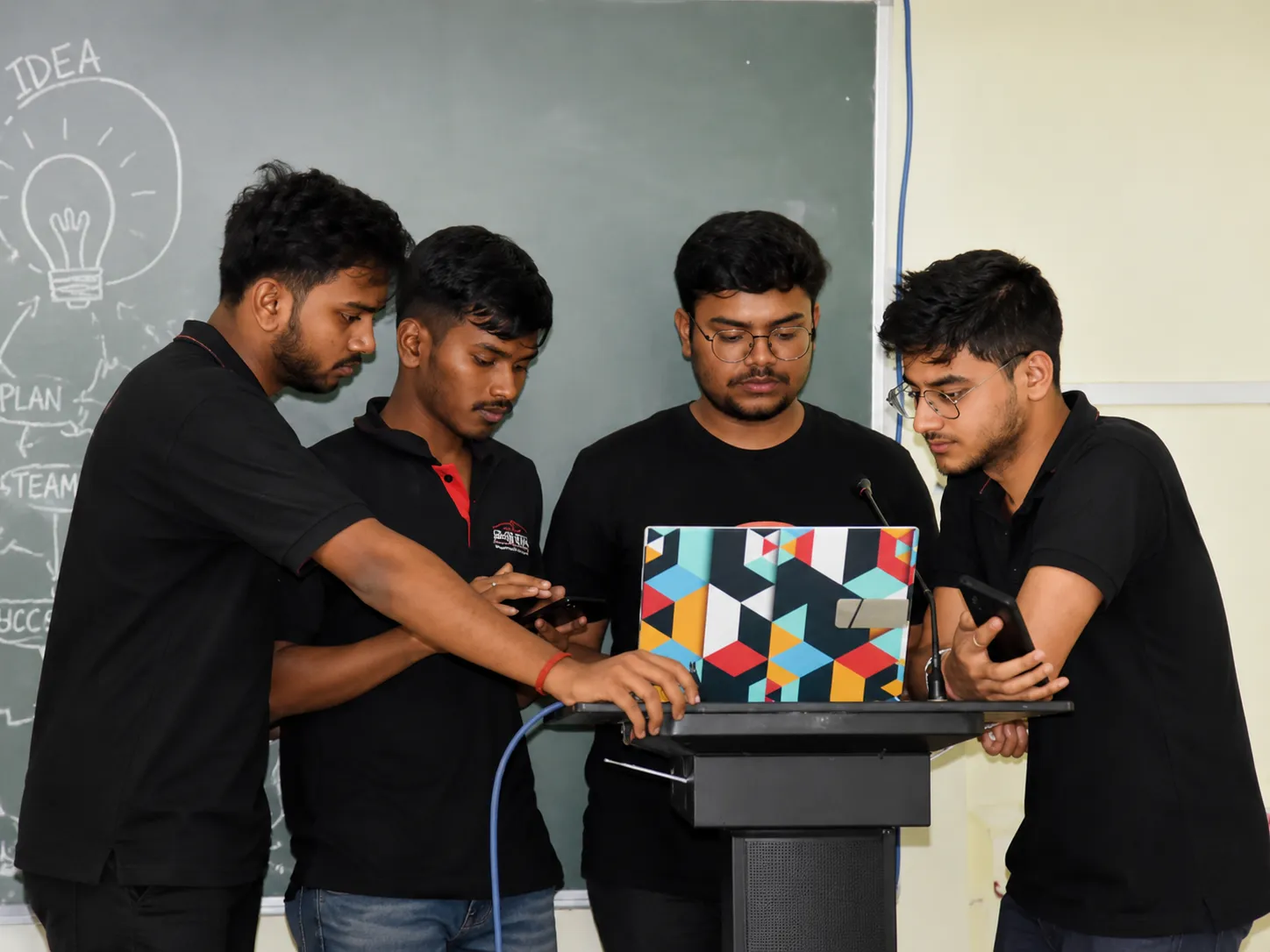
Authorities note that over 470 start-ups are currently working out of incubation centres, with more than 75,000 students engaged in entrepreneurship programmes across the city. The new policy aims to build on this momentum by formalising support at a larger scale, starting from the classroom and extending to fully operational businesses.
Also Read….
Victoria University UGC Approval