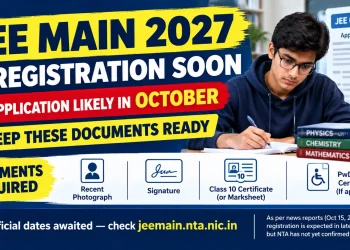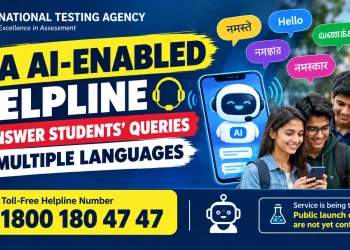
This week’s AI Appreciation Day 2026, observed annually on 16 July, is a fitting moment to look at how artificial intelligence is reshaping the way students prepare for engineering entrance exams and navigate admissions. From adaptive practice tests to AI-driven college predictors, Smart Prep Engineering Admissions strategies are becoming the norm for aspirants targeting JEE, state CETs, and other engineering entrance exams across India.
What Smart Prep Engineering Admissions Looks Like Today
Smart Prep Engineering Admissions today goes far beyond textbooks and coaching notes. AI-powered platforms now offer adaptive mock tests that adjust question difficulty based on a student’s performance, helping identify weak areas faster than traditional practice sets. Many coaching platforms and ed-tech apps have also introduced AI doubt-solving tools, allowing students to get instant explanations for tricky Physics, Chemistry, or Maths problems without waiting for a teacher’s availability.

AI Tools Supporting Exam Preparation
As part of Smart Prep Engineering Admissions, several categories of AI tools are now widely used by engineering aspirants:
- Personalised study planners that adjust revision schedules based on syllabus progress and exam dates.
- AI-based performance analytics that highlight chapter-wise strengths and weaknesses after every mock test.
- Smart flashcard and spaced-repetition tools for retaining formulas and key concepts.
- Rank and college predictors that use previous years’ cutoff data to help students shortlist realistic options.
These tools don’t replace consistent study effort, but they help students use their preparation time more efficiently — a key part of Smart Prep Engineering Admissions approaches gaining traction this year.
Using AI Responsibly During Exam Preparation
While Smart Prep Engineering Admissions tools offer real benefits, students are advised to use them as a support system rather than a replacement for fundamentals. Relying entirely on AI-generated shortcuts or solutions without understanding underlying concepts can backfire during actual exams, which test conceptual clarity under time pressure. Educators recommend using AI tools primarily for practice, revision tracking, and doubt resolution, while keeping core learning rooted in structured study of the syllabus.