The Bachelor of Computer Applications has quietly become one of the most practical undergraduate choices in India. As hiring in technology shifts toward demonstrable skills, the BCA programmes winning attention in 2026 are the ones that pull students into real industry work early, not just theory.
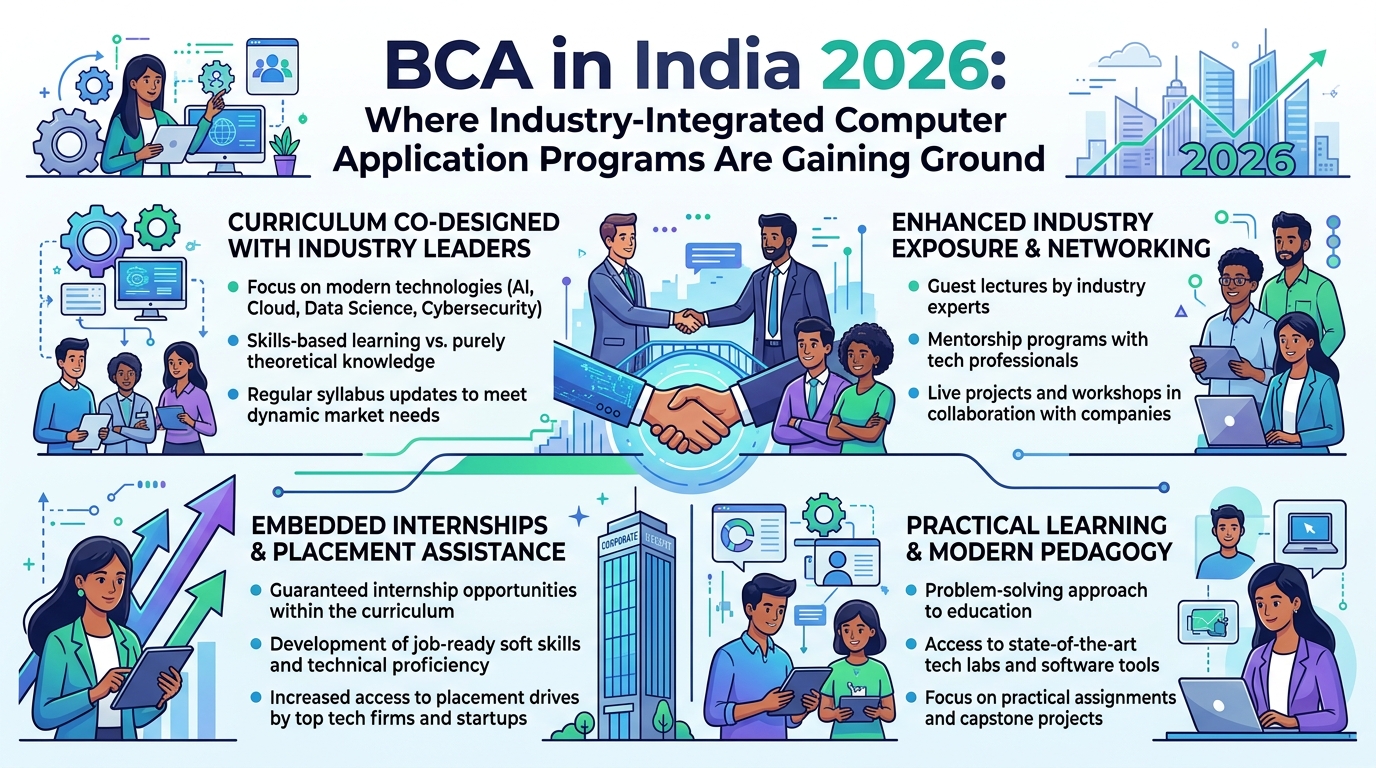
A strong BCA today is measured less by its syllabus on paper and more by what students can actually build. Employers in software, data, and IT services increasingly want graduates who have worked on live projects, understand current tools, and can step into a team without months of retraining.
This is where industry-integrated BCA programmes stand out. By weaving real work experience into the degree, they aim to close the long-standing gap between what colleges teach and what companies need.
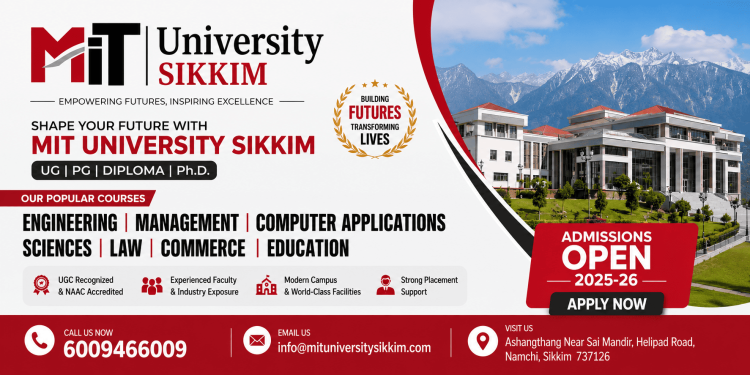
MIT University Sikkim is one of the institutions building its computer application offering around this idea. As a government-approved university established under Sikkim State Act No. 11 of 2024, it awards UGC-recognised degrees and structures its programmes around mandatory industrial training. For a BCA student, that model is designed to mean hands-on project work and professional exposure as part of the course rather than an afterthought.
The university’s curriculum follows the National Education Policy 2020 and runs on a credit-based semester system, allowing for a skill-focused structure. Backed by the IMTS Foundation and located in Melli, South Sikkim, the programme is offered in a calm Himalayan campus setting that contrasts with crowded metro classrooms.
For students choosing a BCA in 2026, a few checks matter most. Confirm the degree is UGC-recognised. Look at how much real project work is built in. Ask how the curriculum keeps pace with current technology. And consider whether the learning environment suits the way you study best.
The best BCA university in India for 2026 will not be the one with the flashiest brochure. It will be the one that turns three years of study into genuine, demonstrable capability. Industry-integrated programmes, including the WILP-style model MIT University Sikkim is pursuing, are moving in that direction.