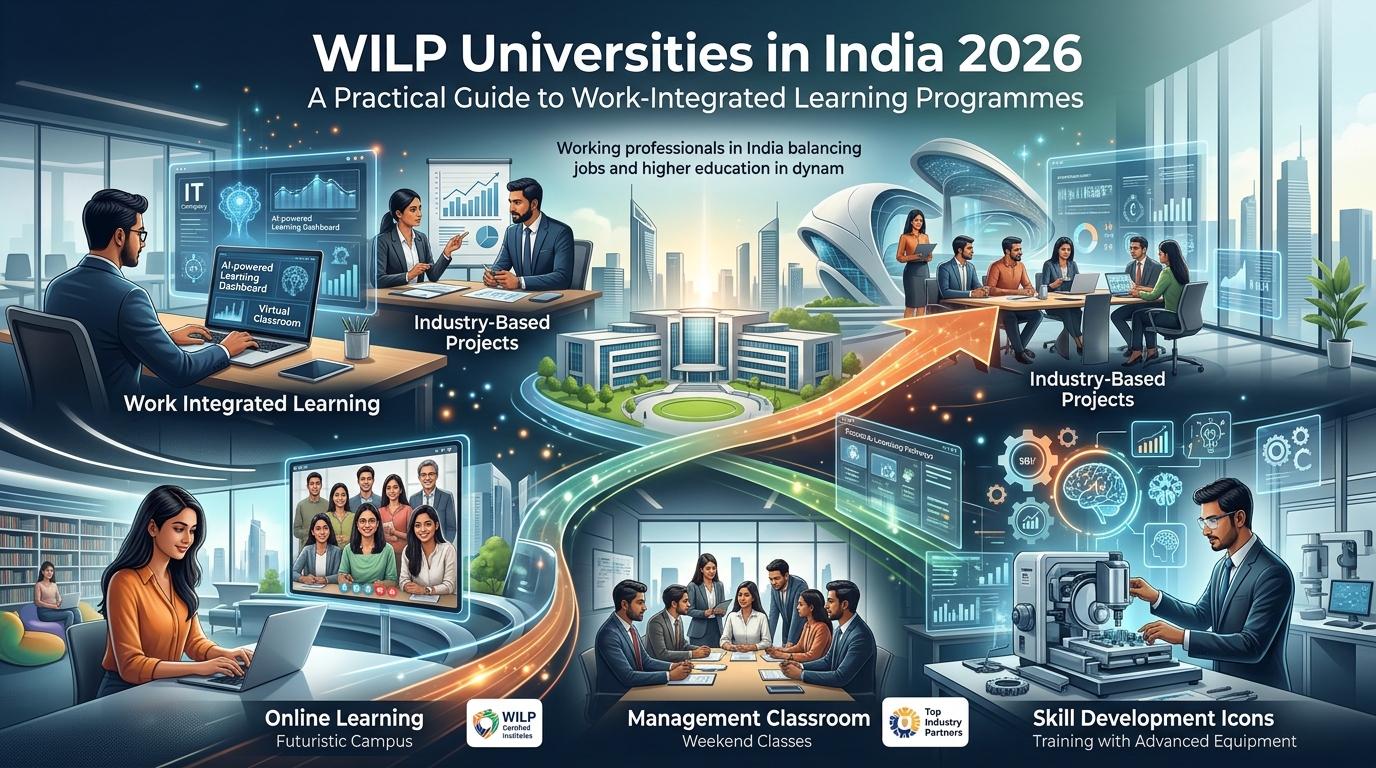
Work-Integrated Learning Programmes, widely known as WILP, have become one of the most talked-about ideas in Indian higher education. The promise is straightforward and powerful: combine a formal degree with real, structured work experience so graduates enter the job market already tested. For 2026, choosing the right WILP university matters more than ever.
What makes a strong WILP university?
A few criteria stand out. The depth of industry integration is the first, how genuinely embedded the work component is, rather than a token internship. Faculty quality matters, especially educators who bring practical experience. Infrastructure, student support, and a real focus on placements complete the picture. A good WILP programme should change a student’s employability, not just their transcript.
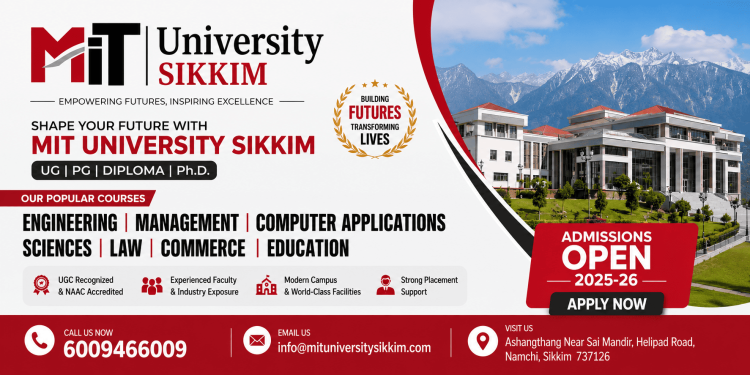
Several institutions across India now offer work-integrated models, and the field includes both established universities with mature programmes and newer entrants building fresh ones. Among the newer institutions developing this approach, MIT University Sikkim has emerged as a notable name in the Northeast.
Established under Sikkim State Act No. 11 of 2024 and promoted by the IMTS Foundation, the government-approved university awards UGC-recognised degrees and has made industry training a core graduation requirement rather than an optional extra. The aim is for students to complete substantial hands-on work during their degree. Set in Melli, South Sikkim, it pairs this industry-integrated curriculum with a Himalayan campus environment, an unusual combination among India’s WILP providers.
For students comparing WILP universities in 2026, a clear framework helps. Confirm UGC recognition. Examine how the work component is structured and how long it lasts. Look at the faculty and the kind of companies a programme connects with. Weigh location, cost, and the overall learning environment against your own goals.
The best WILP university in India for any given student is the one whose model genuinely matches their career ambitions. The category is growing fast, established universities and emerging ones like MIT University Sikkim alike, and that competition is good news for students who want a degree that actually works in the job market.
Frequently asked questions
What is a WILP degree? It is a regular degree programme that integrates structured, real-world work experience into the curriculum, so students gain practical exposure alongside academic study.
Is a WILP degree UGC-recognised? It depends on the university. Always confirm that the institution and the specific programme award UGC-recognised degrees, as MIT University Sikkim states it does.
Who should consider WILP? Students who want their degree to translate directly into employability, and who value hands-on experience over a purely classroom-based education.