
With so many new universities entering the scene, choosing the right one in 2026 can feel overwhelming. A clear, practical checklist helps cut through the marketing and focus on what actually matters for a student’s future.
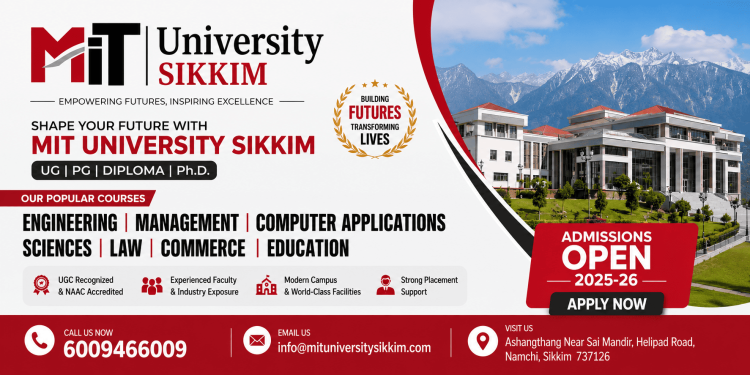
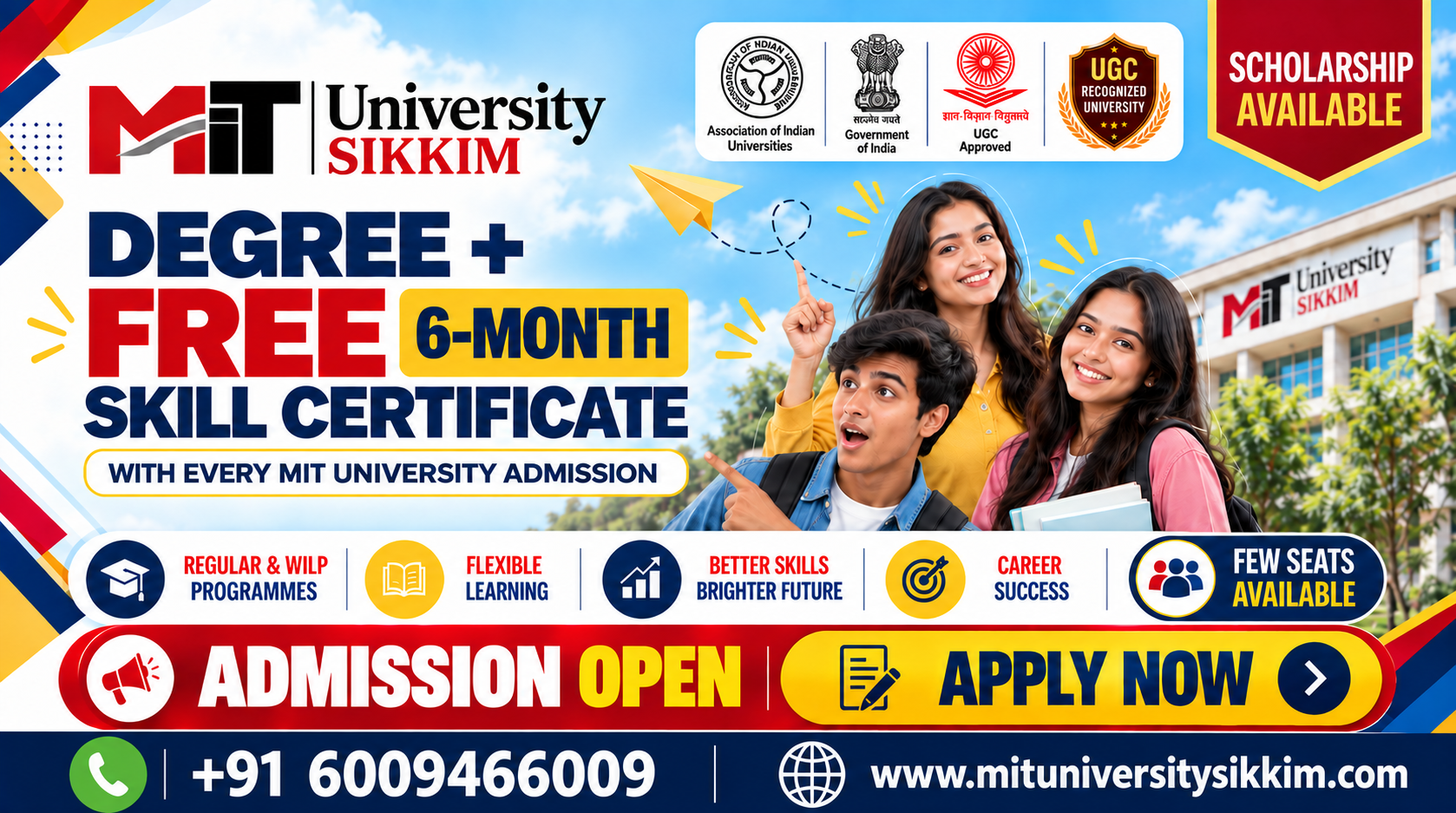
Start with recognition. The single most important check is whether the university is properly established and whether its degrees are UGC-recognised, which ensures national validity for higher studies, government jobs, and private careers. MIT University Sikkim, for example, was established under Sikkim State Act No. 11 of 2024 and states that it awards UGC-recognised degrees, the kind of verifiable standing every applicant should confirm.
Look next at the curriculum and how it connects to careers. In 2026, the most useful programmes link classroom learning to real work. Industry-integrated and work-integrated models, where training is built into the degree, are designed to make graduates employable rather than just qualified. Ask exactly how much practical exposure a programme includes.
Consider the promoter and governance. A credible institution behind a university matters. Knowing who promotes and runs an institution, such as the IMTS Foundation in the case of MIT University Sikkim, helps you assess its seriousness and accountability.
Weigh infrastructure and environment. Modern facilities support better learning, and the campus setting affects daily life. Some students thrive in busy metros; others do better in calmer, safer environments. A Himalayan campus in Sikkim, for instance, offers a very different experience from a city university, and that difference can matter a great deal over several years.
Factor in cost and value. Fees should be assessed against what a programme delivers, recognition, training, support, and likely outcomes, rather than in isolation. The cheapest option is not always the best value, and neither is the most expensive.
Finally, be honest about fit. A founding batch at a new university offers close attention and a chance to shape campus culture, but lacks a long placement history. An established university offers a track record but less individual focus. Match the choice to the student’s goals, temperament, and priorities.
The right university in 2026 is the one that combines genuine recognition, a career-focused curriculum, a suitable environment, and real value. Whether that is a long-established name or an emerging option like MIT University Sikkim, the decision should rest on verified facts, not brochures, and on a clear sense of what the student truly needs.