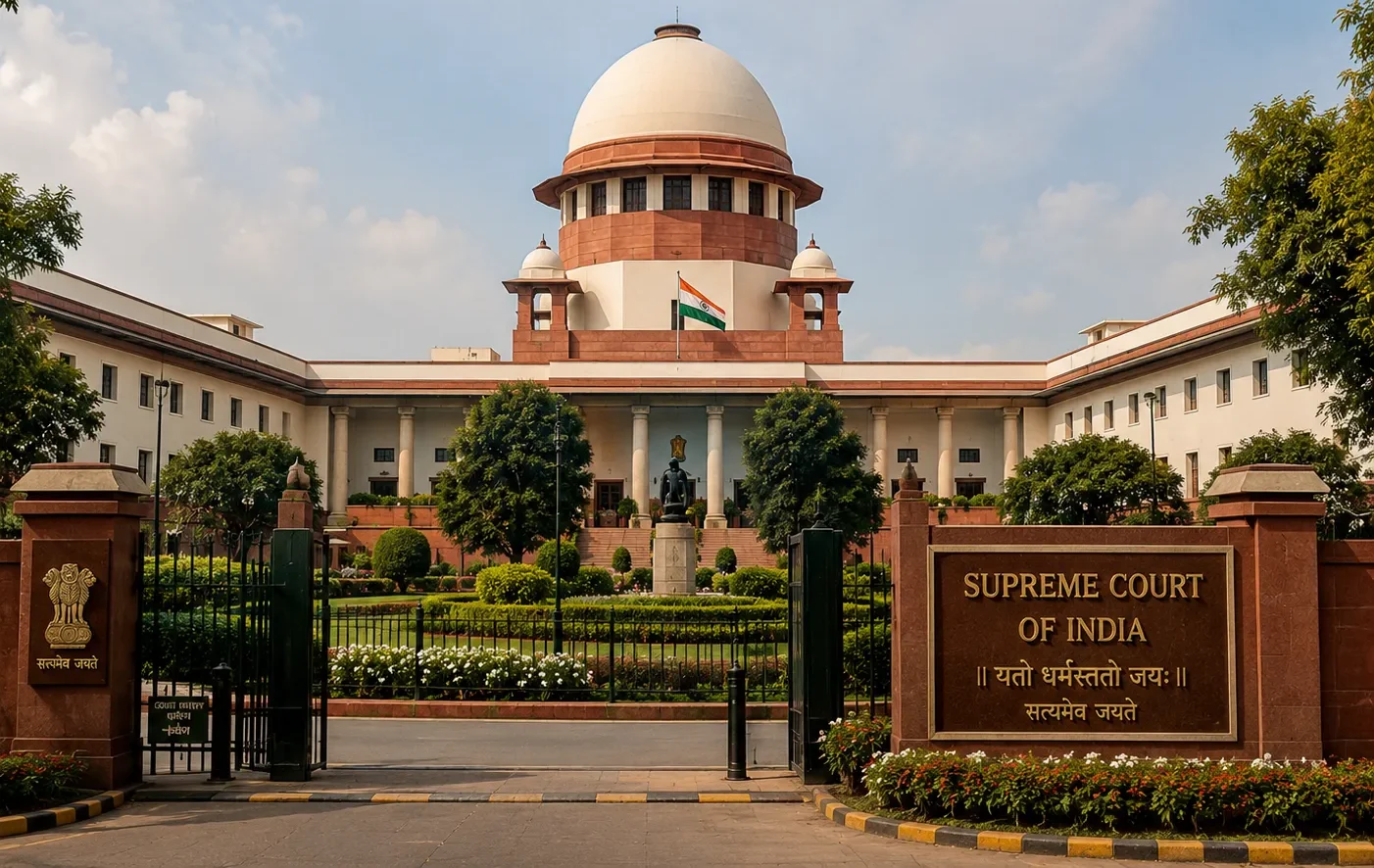
Supreme Court NEET protest minor release: The apex court issued crucial interim directions ordering a Supreme Court NEET protest minor for all detained students below 18 years of age who have no prior criminal antecedents. A three-judge bench headed by Chief Justice of India Surya Kant, along with Justices Joymalya Bagchi and V. Mohana, delivered the ruling amidst ongoing nationwide demonstrations regarding alleged irregularities in the national medical entrance examination.
In addition to directing the release of the minor in the Supreme Court NEET protest, the bench restrained law enforcement agencies across all states from taking coercive action against student demonstrators while formal investigations into registered FIRs continue. Observing that peaceful protest remains a fundamental constitutional guarantee, the court noted that prima facie evidence points to excessive police force and warrants a fair, impartial, and independent inquiry.

Key Highlights of the Supreme Court NEET protest minor release
-
Release of Minor Protestors: All state governments were directed to execute the Supreme Court NEET protest minor release order for children below 18 years of age who have no prior criminal record.
-
Protection Against Coercive Action: The Supreme Court barred authorities from taking coercive steps against non-habitual student demonstrators, protecting first-time student participants across the country.
-
Preservation of Digital Evidence: The court ordered police departments and state authorities to immediately preserve all CCTV footage, drone recordings, body-worn camera data, PCR call details, and wireless communication logs related to the protest sites.
-
Data Privacy Guidelines: Strict directives were issued barring law enforcement and state agencies from making the personal details or digital data of detained protesters public.
-
State Notices Issued: The bench issued formal notices seeking detailed responses from the Union Government, the Union Territory of Delhi, and states including Bihar, Uttar Pradesh, Maharashtra, Madhya Pradesh, West Bengal, Assam, and Kerala.