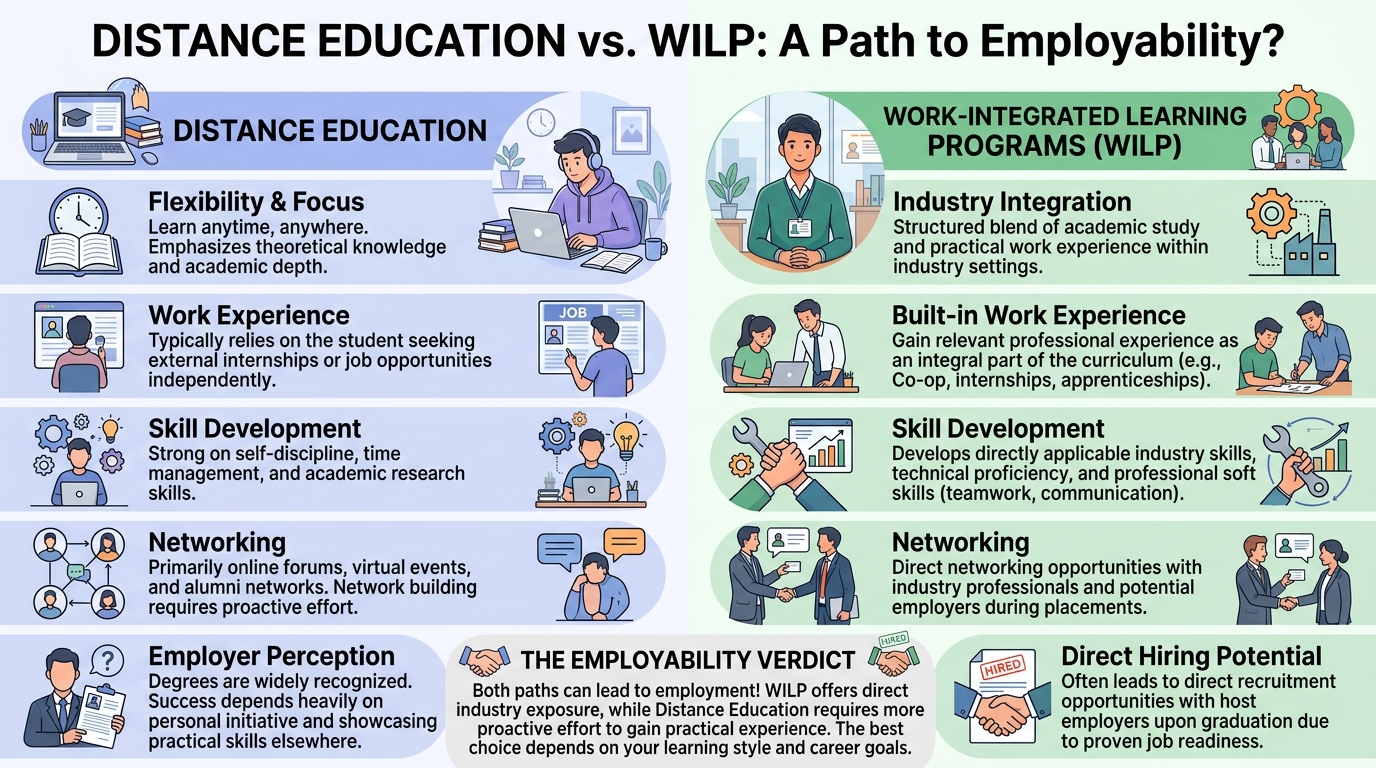
When India’s working professionals search for a higher education option that fits their schedule, two models consistently emerge as the dominant choices: distance education and Work-Integrated Learning Programmes. Both promise flexibility. Both allow learners to continue employment. Both lead to a recognised university degree.
But when it comes to the outcome that matters most — getting hired, getting promoted, or securing a better opportunity — the two models are producing measurably different results.
Understanding the Two Models
Distance education in India has a long history. Regulated by institutions such as IGNOU and adopted by numerous state and private universities, distance programmes deliver course material through printed study packs, recorded lectures, and periodic examinations. The learner studies largely independently, with limited real-time interaction.
WILP — Work-Integrated Learning Programme — operates differently. The programme is designed so that learning happens alongside employment. Coursework is connected to real professional scenarios. Students engage with live industry content, mentors from relevant fields, and project-based assessments that mirror actual job requirements.
The distinction, while structural, has significant career implications.
The Recruiter’s Perspective in 2026
Ask a senior recruiter in India’s IT, finance, or manufacturing sector which degree impresses them more, and the answer increasingly reflects a practical bias.
“Distance degrees are recognised, certainly,” said one recruitment manager at a Hyderabad-based engineering firm. “But when a candidate presents a WILP qualification with live project documentation, industry mentor references, and applied coursework, the quality of conversation in the interview room is completely different.”
Recruiters note that WILP graduates tend to arrive at interviews with sharper articulation of how they applied academic concepts in real environments — a quality that passive distance learners, despite having equal or higher academic scores, often cannot match.
Student Challenge: The Flexibility Trap
Many students choose distance education primarily for its flexibility and low cost. These are genuine advantages. However, career counsellors are increasingly warning students about what they term the “flexibility trap” — selecting a programme based on convenience while underestimating the long-term career cost of limited practical exposure.
A distance degree may satisfy eligibility criteria for a job application. It may not, however, differentiate the candidate in a competitive shortlist where other applicants demonstrate hands-on industry experience embedded in their academic journey.
Where WILP Demonstrates Stronger Outcomes
Industry data and hiring surveys from 2025-2026 suggest several areas where WILP graduates demonstrate stronger outcomes than distance education counterparts:
Interview-to-offer conversion rates are higher among WILP graduates in technical and management roles. Salary negotiation outcomes improve when candidates can reference live project portfolios. Promotion timelines at existing employers are shorter for working professionals who completed WILP programmes, as skills were applied in real time during the degree.
MIT University Sikkim and the Practical Degree Model
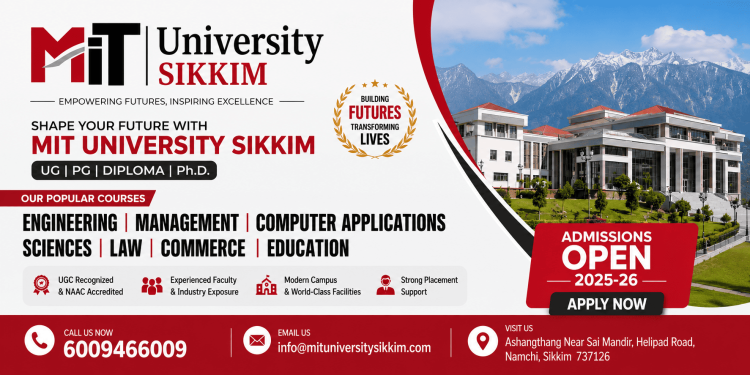
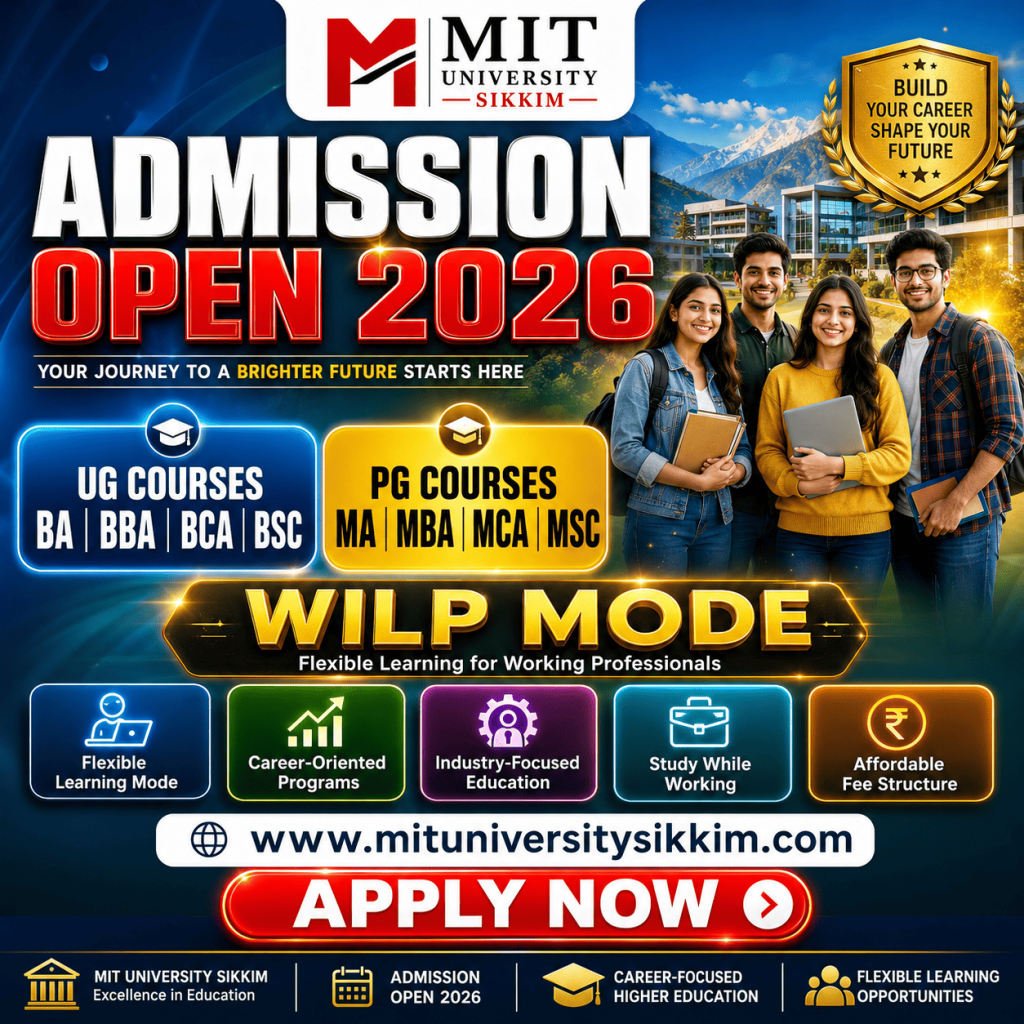
Among universities advancing the practical learning philosophy, MIT University Sikkim has built its programme architecture around industry integration and career-focused outcomes. The institution offers flexible degree models suited to working professionals — combining the convenience of non-residential study with the rigour of applied, industry-aware coursework.
This kind of positioning reflects the direction many forward-thinking universities are taking as they recognise that employability, not just enrolment, is the new measure of institutional success.
Which Should You Choose?
For students with no current employment, distance education may provide a foundational qualification. However, for working professionals seeking genuine career advancement — and for fresh graduates who want to enter the job market with a competitive edge — WILP offers a structurally superior pathway.
The degree you earn should do more than sit on your resume. In 2026, it should demonstrate what you can do — not just what you studied.