
India’s higher education sector is witnessing a growing shift towards flexible and industry-linked learning as more students and working professionals seek career-oriented degree programmes.
Universities offering Work Integrated Learning Programmes (WILP), hybrid education and practical training models are reporting increased interest during the 2026 admission cycle. Education analysts say the trend reflects changing student priorities, with greater focus on employability, technical skills and workplace exposure.
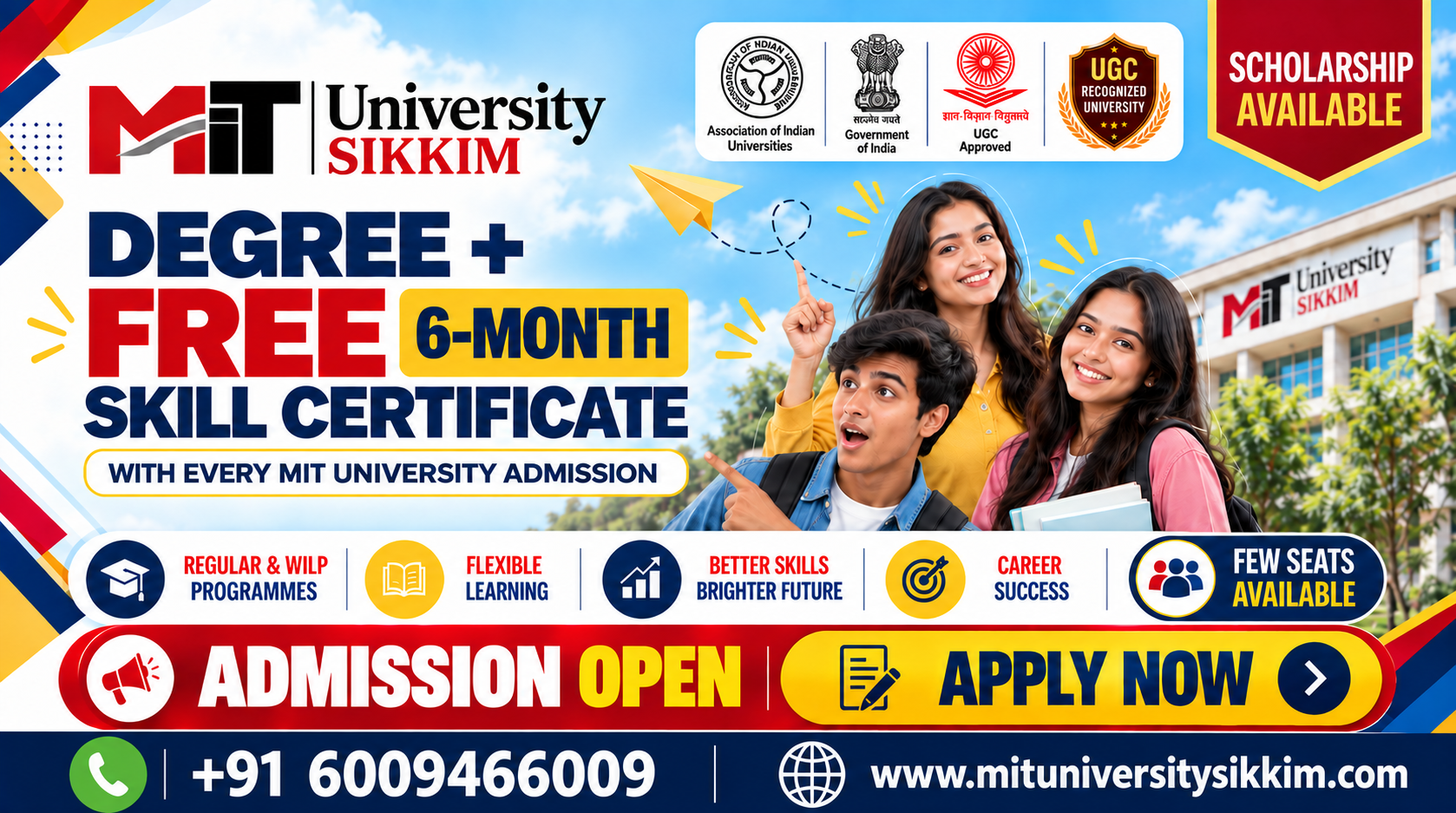
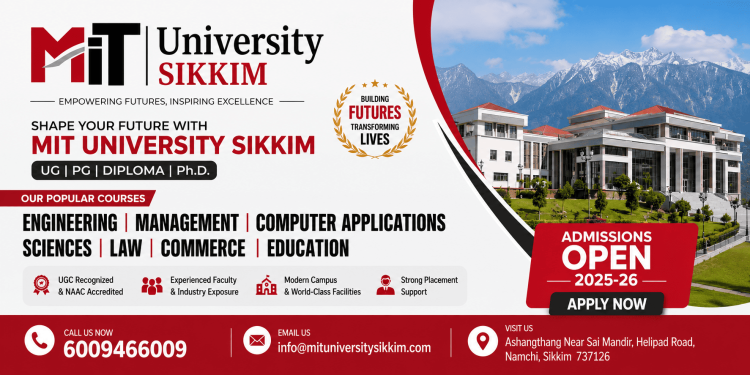
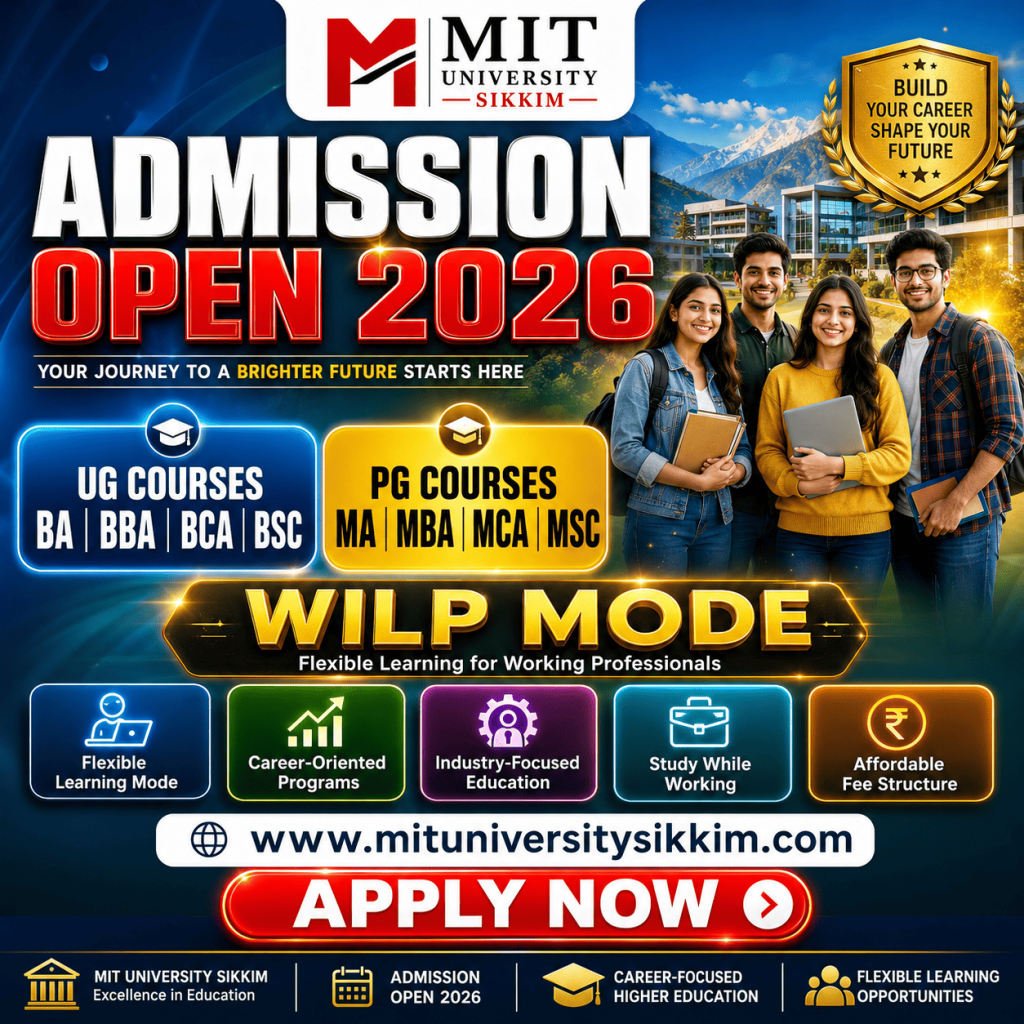
Among the universities seeing increased attention is MIT University Sikkim, which has expanded admissions across undergraduate, postgraduate, diploma and professional programmes for the 2026 academic session. The university has introduced multiple industry-focused courses in areas including Artificial Intelligence, Cyber Security, Business Analytics, Computer Applications and Management.
According to education experts, WILP programmes are becoming more popular among professionals who want to continue higher education while remaining employed. These programmes generally combine academic study with workplace learning, allowing students to balance professional responsibilities alongside formal education.
Growing Preference for Industry-Oriented Learning
The increasing acceptance of flexible learning models has accelerated after the implementation of the National Education Policy (NEP) 2020, which encourages multidisciplinary education, digital learning and skill-based academic structures.
Students are now evaluating universities on factors such as:
- Internship opportunities
- Industry exposure
- Placement support
- Flexible learning systems
- Career-focused curriculum
- Technology-based education
Admission trends for 2026 indicate strong demand for courses linked with future technologies and digital industries. Programmes related to Data Science, Artificial Intelligence, Cloud Computing and Cyber Security are among the fastest-growing categories in higher education this year.
MIT University Sikkim has also expanded digital academic support and counselling services for students applying from different parts of the country. Information available through the university admission portal shows applications are currently open for multiple UG and PG programmes.
What Are WILP Programmes?
Work Integrated Learning Programmes are designed to integrate academic education with practical industry experience. Unlike traditional classroom-only formats, WILP courses often include:
- Weekend or hybrid classes
- Online academic support
- Project-based assessments
- Practical workshops
- Internship exposure
Higher education observers say such programmes are gaining importance as companies increasingly prioritise practical skills and industry readiness during recruitment.
The shift is particularly visible among working professionals seeking qualifications in technology, management and business-related sectors without taking career breaks.
Flexible Education Becoming Mainstream
Experts believe flexible and hybrid learning models are likely to become a larger part of India’s higher education ecosystem over the next few years.
As universities continue expanding digital infrastructure and industry-linked programmes, students are expected to increasingly prefer institutions offering practical learning and employability-focused education alongside conventional academic degrees.